Sustainability Is Humanitarian Work.
Supporting Girls. Protecting Futures.
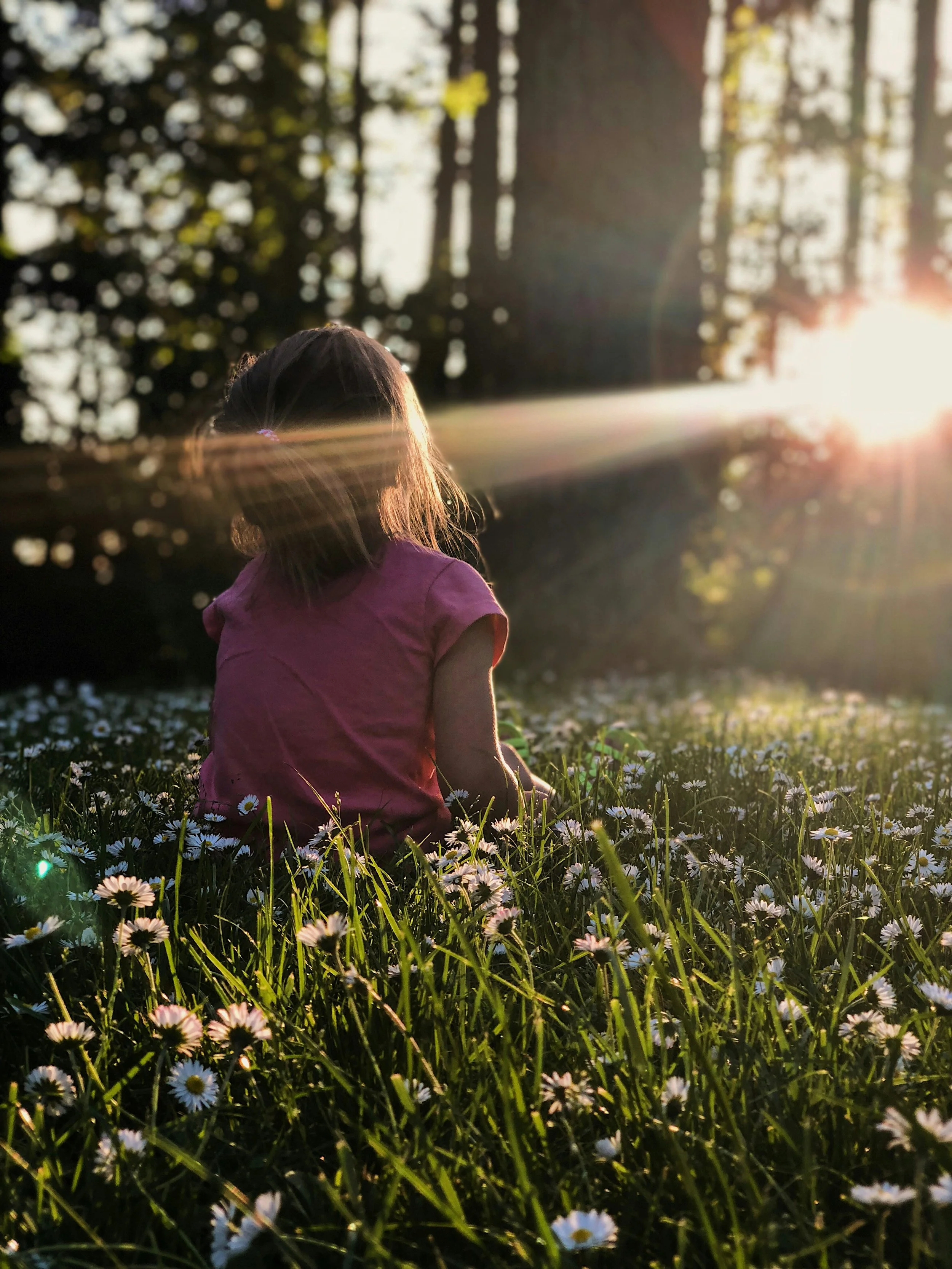
The Garden of P. believes menstrual care solutions should not only support girls today, but help create healthier, more sustainable futures for communities around the world.
Through reusable menstrual care solutions, educational outreach, and community partnerships, the movement is committed to helping reduce long-term barriers surrounding accessibility, affordability, environmental impact, and dignity-centered care.
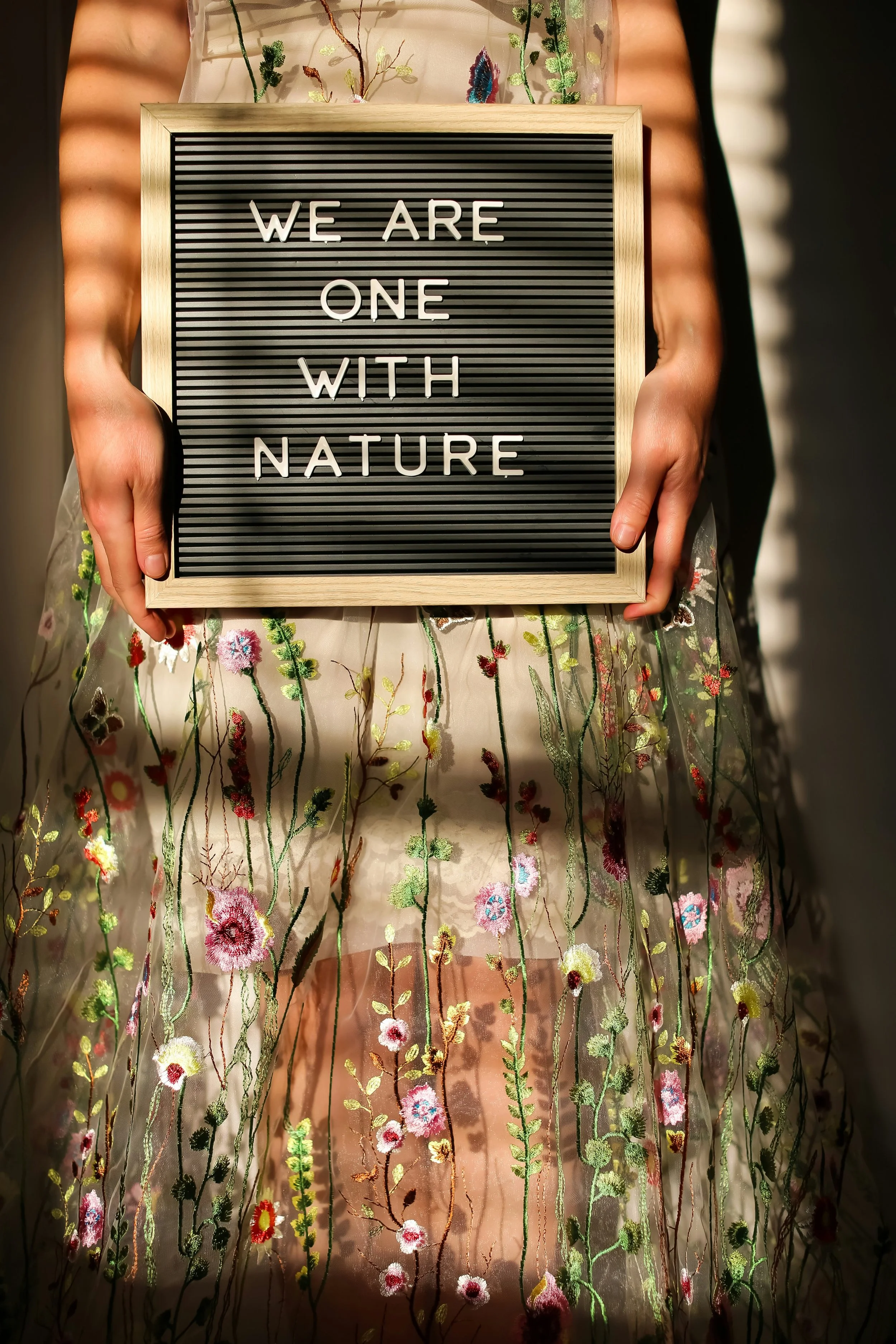
Why Sustainability Matters
Menstrual care is not only a health issue. It is connected to education, public health, environmental sustainability, economic stability, infrastructure, and the future wellbeing of communities around the world.
For millions of girls, lack of access to menstrual care can interrupt education, impact confidence, increase health risks, and limit opportunity over time.
At the same time, many underserved communities facing economic hardship and limited sanitation infrastructure are also navigating the growing pressures of environmental inequality and climate instability.
These challenges are deeply interconnected.
Sustainability is not simply about reducing waste. It is about creating long-term systems of dignity, accessibility, health, education, and resilience designed to support both people and planet for generations to come.
Because supporting girls ultimately means supporting the future of humanity itself.
The Hidden Environmental Impact
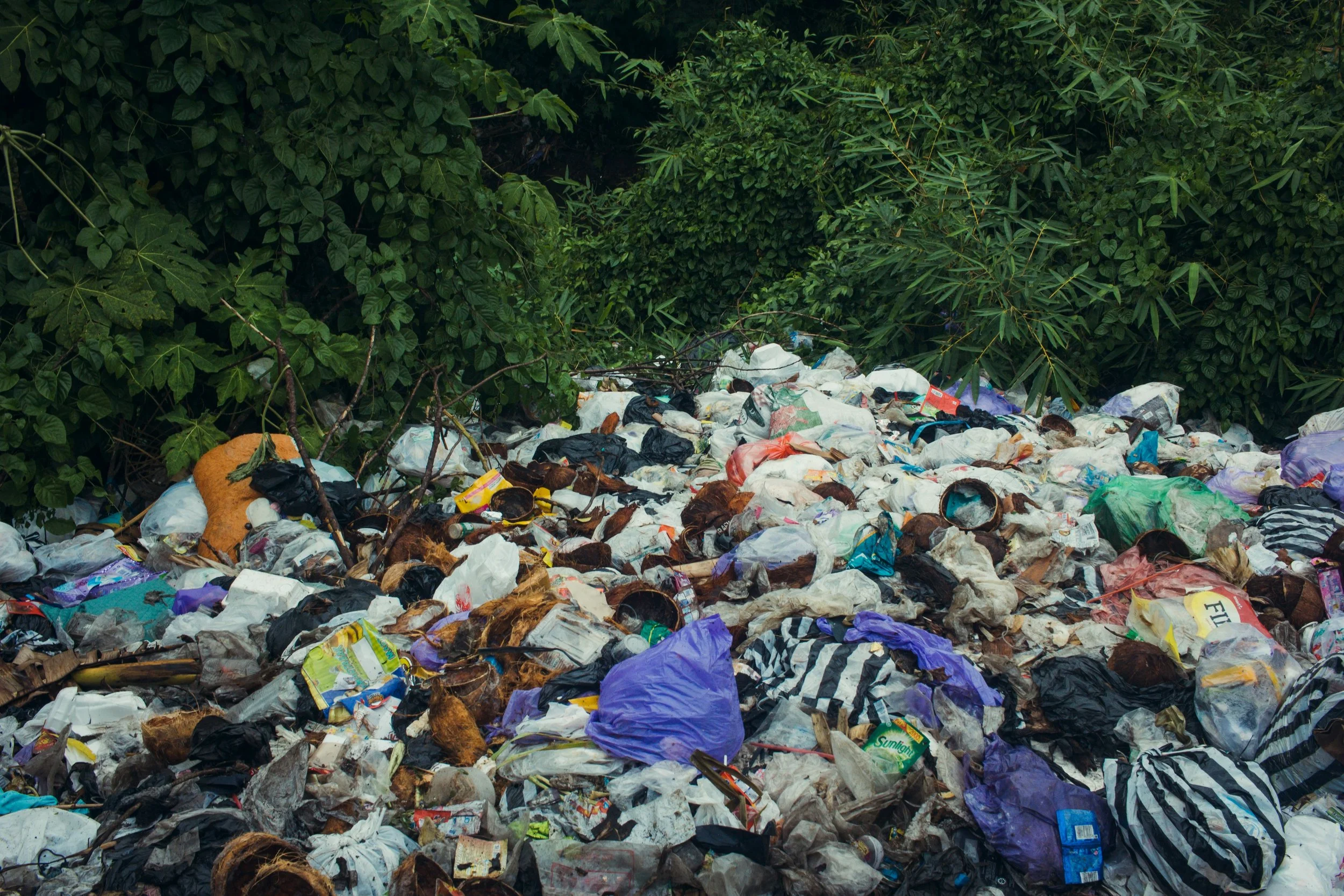
Billions of disposable menstrual products are discarded globally each year, creating long-term environmental waste and sustainability challenges that often go unseen.
Many disposable menstrual products contain plastics and synthetic materials that can take decades to break down, while communities with limited sanitation and waste management infrastructure frequently face additional environmental and public health burdens connected to disposal and accessibility.
For underserved communities already navigating economic hardship, climate instability, and resource inequality, these challenges can become even more significant over time.
Menstrual care should never create additional barriers for girls or unnecessary strain on the environments and communities they depend on.
That is why The Garden of P. believes sustainable menstrual care solutions matter. Not only for individual girls, but for the long-term health, resilience, and future of communities around the world.
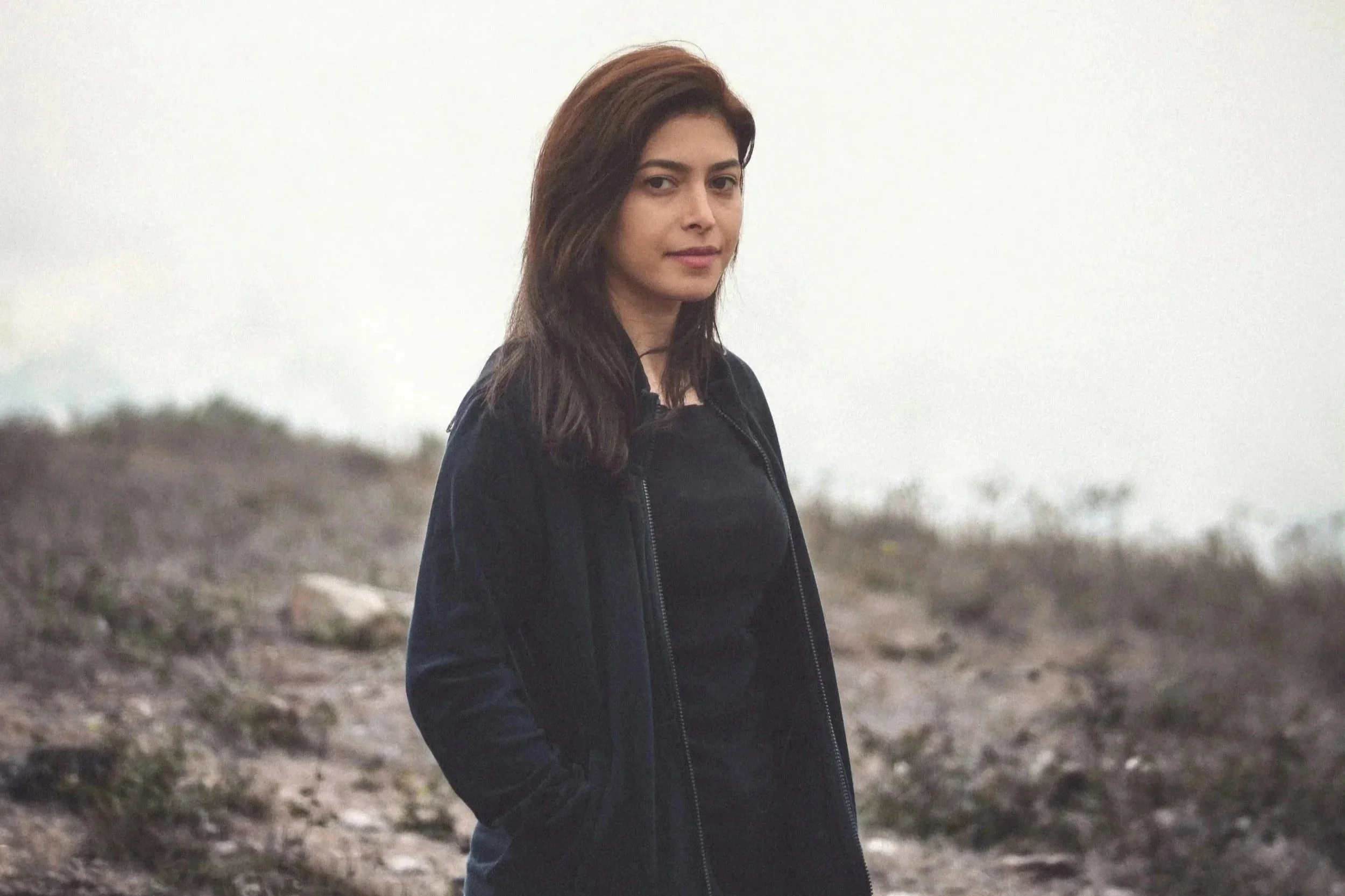
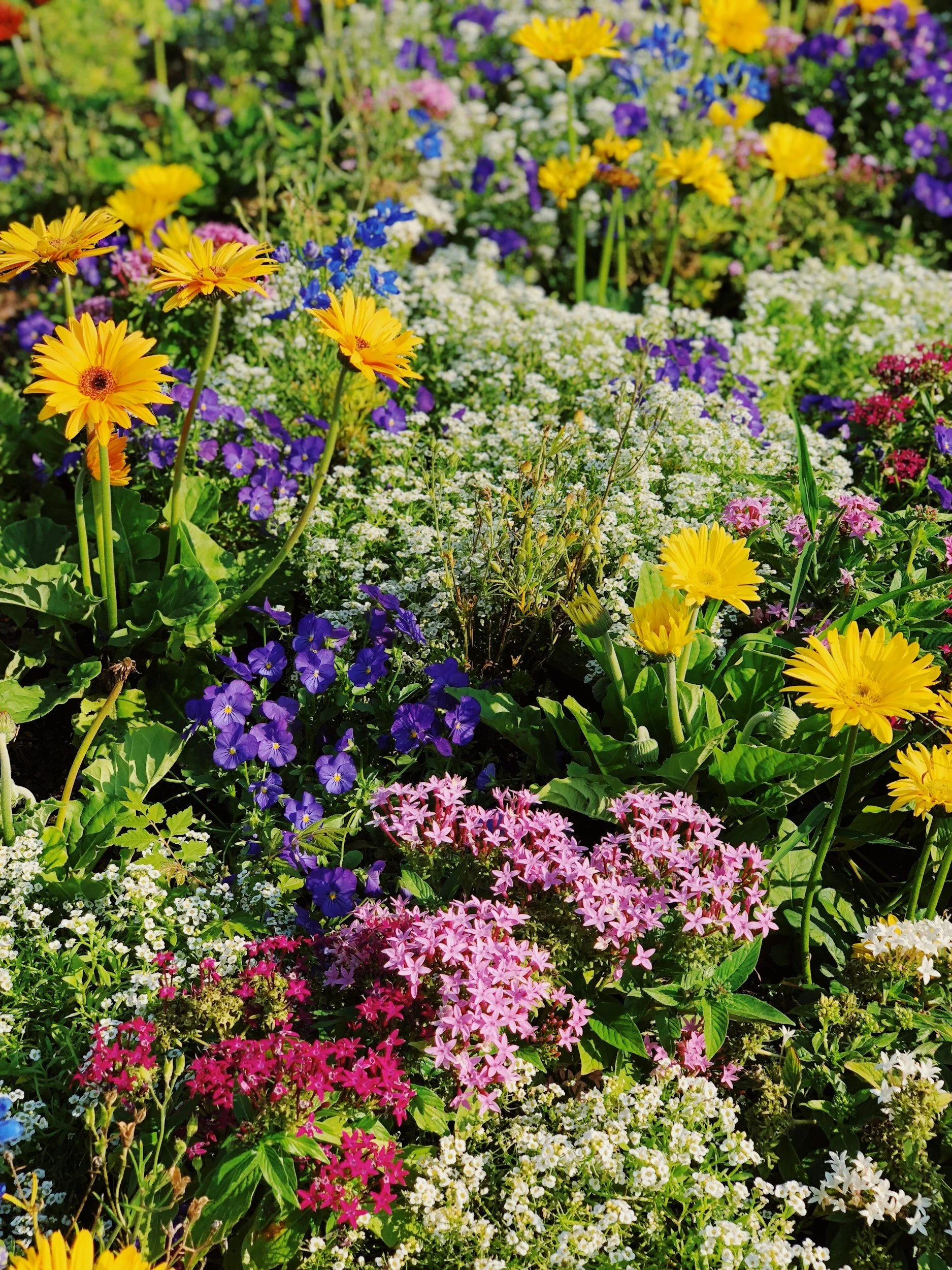
Climate Justice Begins With Human Dignity
Climate inequality and environmental instability do not affect all communities equally.
Around the world, women and girls are often disproportionately impacted by limited sanitation infrastructure, resource inequality, environmental degradation, public health disparities, and barriers to essential care.
For many underserved communities, the challenges surrounding menstrual health, education, environmental sustainability, and economic stability are deeply interconnected.
When access to care is limited, girls are more likely to miss school.
When sanitation systems are strained, communities face additional public health burdens. And when environmental inequality deepens, women and girls are often among the most affected.
These are not separate issues. They are connected realities shaping the future health, resilience, and wellbeing of communities around the world.
The Garden of P. believes sustainability is humanitarian work.
By supporting reusable menstrual care solutions, educational outreach, and long-term community partnerships, the movement aims to help create healthier futures for girls, communities, and the planet alike.
Why Reusable Solutions Matter
Reusable menstrual care solutions help provide longer-term support for girls while reducing ongoing financial burden, waste, and repeated barriers to menstrual care access.
Unlike disposable products that require constant replacement, reusable period panties are designed to provide extended support over time. Helping girls maintain more consistent access to care, school participation, and daily confidence.
For many communities, this can help support:
fewer interruptions to education
reduced long-term costs
decreased environmental waste
more sustainable access to menstrual care
increased dignity and stability over time
The Garden of P. believes menstrual care solutions should not only meet immediate needs, but help create healthier, more sustainable futures for generations to come.
Supporting Girls Means Supporting the Future
Every girl deserves access to menstrual care, education, dignity, and opportunity—regardless of where she lives.
By supporting sustainable menstrual care solutions, educational outreach, and community partnerships, we can help create healthier futures for girls, communities, and the planet alike.
Together, we can help build a future where no girl is held back by period poverty.