More Than Menstrual Care.
A growing global movement.
The Garden of P. is rooted in the belief that every girl deserves dignity, care, protection, education, and the opportunity to flourish.
While period poverty is often discussed as a product issue, its impact reaches far deeper—affecting confidence, health, education, opportunity, and the way girls experience themselves within the world around them.
The Garden of P. exists to help remove those barriers through menstrual care, education, sustainability, and community-led initiatives designed to support girls not only physically, but humanely and holistically.
Because supporting girls means investing in the future of families, communities, and humanity itself.
Where The Garden Began
What began as a desire to help quickly revealed a much larger global reality.
While speaking at women’s conferences and visiting communities in Kenya and South Africa, our founder, Victoria Boston, witnessed firsthand how many girls were navigating menstruation without consistent access to products, education, sanitation, or support.
It became impossible to ignore the deeper impact period poverty was having on confidence, health, education, and future opportunity.
For many girls, missing school during menstruation had become normalized.
So had the silence, stigma, and lack of resources surrounding it. The more we learned, the clearer the mission became: this was not simply about products.
It was about dignity. It was about access. It was about creating conditions where girls could continue learning, growing, and participating confidently in their communities without interruption.
What started as a grassroots effort has since grown into a global movement rooted in partnership, sustainability, education, and human-centered impact.
And we are only just beginning.

Why the Garden of P.?
A garden represents growth, nourishment, care, protection, and the conditions needed for something to flourish.
The Garden of P. was created from the belief that every girl deserves those same conditions. Not only to survive, but to grow with dignity, confidence, health, and opportunity.
The “P” carries many meanings: periods, power, protection, possibility, pride, personhood, and potential.
Because period poverty is never just about products. It impacts the way girls experience themselves, participate in their education, move through their communities, and envision their futures.
The Garden of P. exists to help create a world where girls are supported not only physically, but humanely and holistically—with access, education, care, and the freedom to flourish without shame or limitation.
This is more than menstrual care. It is a movement rooted in dignity, humanity, and the future of girls around the world.
A Global Crisis Hidden in Plain Sight
The Global Reality
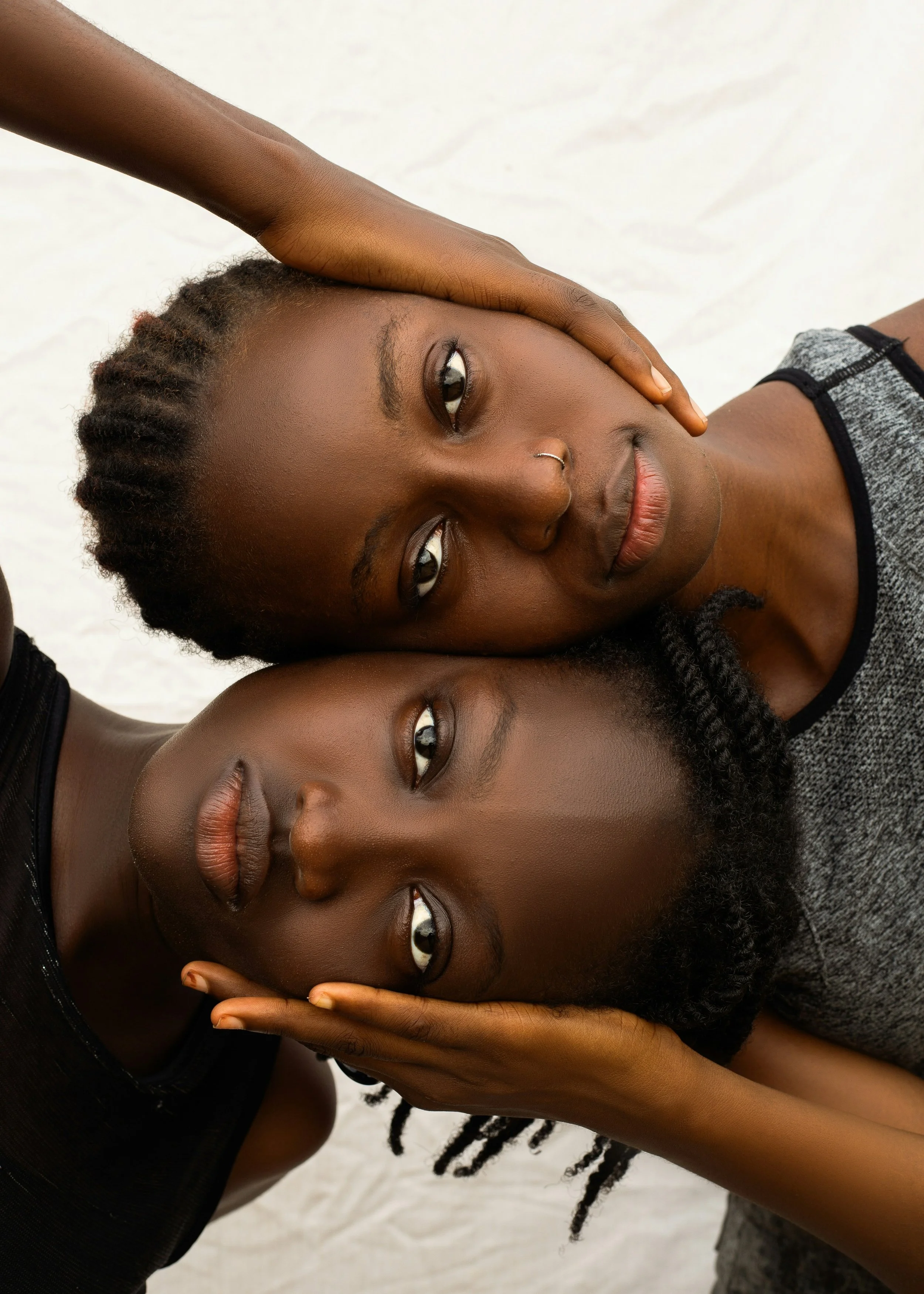
Period poverty affects millions of girls and women across every continent.
In many low-income regions, access to menstrual products and sanitation infrastructure remains limited or nonexistent. In higher-income countries, cost continues to be a major barrier.
In underserved and crisis-affected communities, girls and women often navigate menstruation without adequate products, privacy, education, sanitation, or support.
Globally, over 500 million girls and women lack access to adequate menstrual care.
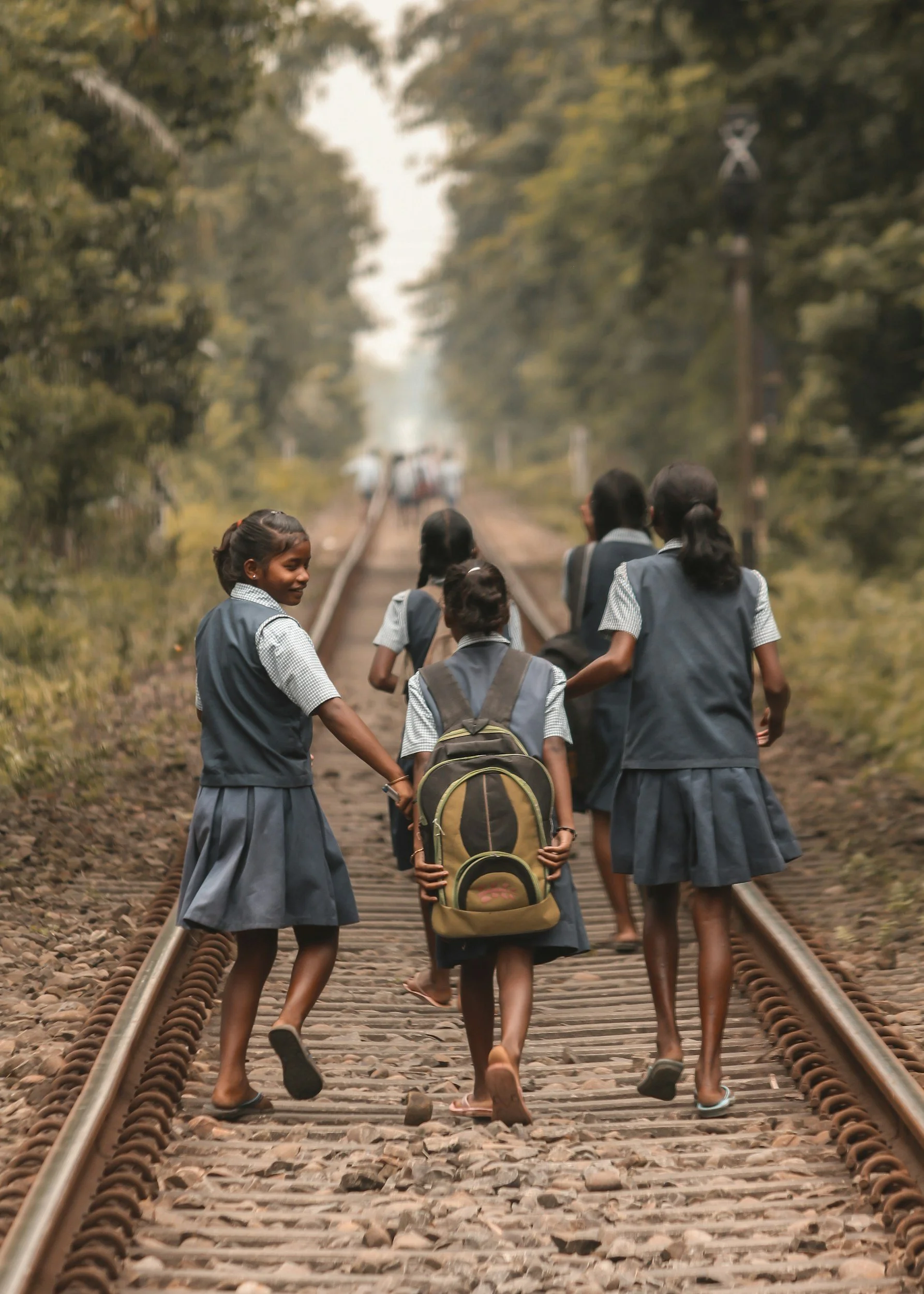
As a result:
girls miss school
women miss work
confidence and participation decline
stigma and silence persist
educational opportunity is interrupted
financial strain deepens
cycles of inequity continue across generations
For many, menstruation becomes not only a health challenge, but a barrier to education, economic mobility, stability, and human dignity.
This is not isolated hardship.
It is a global public health, education, infrastructure, environmental, and economic equity crisis impacting families, communities, and future generations around the world.
And yet, it remains entirely preventable.
Why Africa First
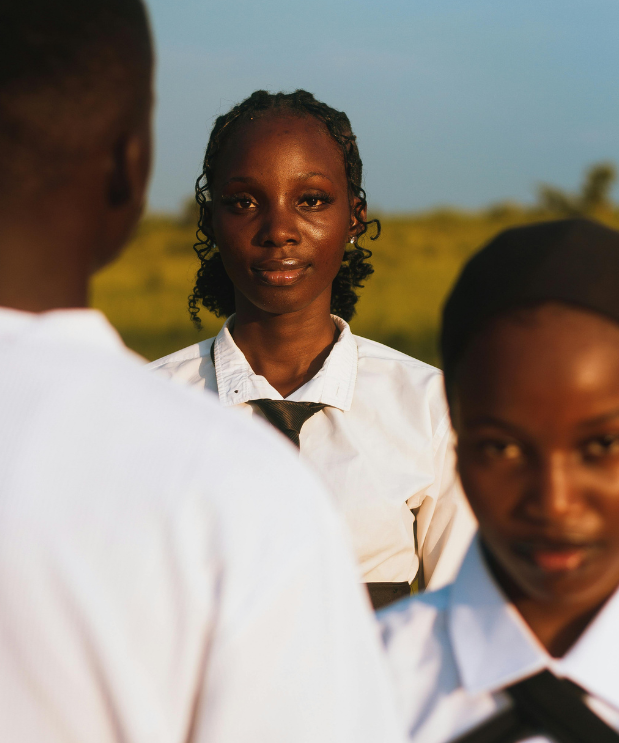
While period poverty affects girls across every continent, Africa carries a disproportionate share of the global burden.
Across many regions of the continent, millions of girls continue to navigate menstruation without reliable access to menstrual products, sanitation infrastructure, education, or support systems necessary to manage their periods safely and with dignity.
At the same time, Africa is home to the youngest population in the world and represents one of the fastest-growing generations shaping the future global workforce, economy, and cultural landscape.
Protecting girls is not simply an act of charity.
It is an investment in education, public health, economic stability, future leadership, and the long-term wellbeing of communities around the world.
The Garden of P. began its first phase of impact in Africa through trusted partnerships with schools, educators, healthcare professionals, and local community leaders working directly alongside the girls and communities they serve.
Because sustainable impact begins with community, trust, and human connection.
To explore the full scope of the movement, impact model, sustainability framework, and long-term global vision behind The Garden of P., view our full campaign overview below.
Our Vision for 2030
By 2030, The Garden of P. aims to help support and protect over 5 million girls through scalable menstrual care solutions, education, sustainability initiatives, and trusted global partnerships designed to help end period poverty at systemic scale.
What began through grassroots outreach and community-led impact is growing into a long-term global movement rooted in dignity, education, environmental responsibility, and human-centered care.
Beginning in Africa and expanding globally, our vision includes:
expanding school and community partnerships
increasing access to reusable menstrual care solutions
supporting menstrual health education
reducing environmental waste
strengthening local community engagement
helping ensure no girl is held back by lack of menstrual care
We believe menstrual dignity should never depend on geography, income, infrastructure, or circumstance.
Because when girls are supported, entire communities become stronger.
And when communities become stronger, the future changes for all of us.
Help Us Grow the Garden
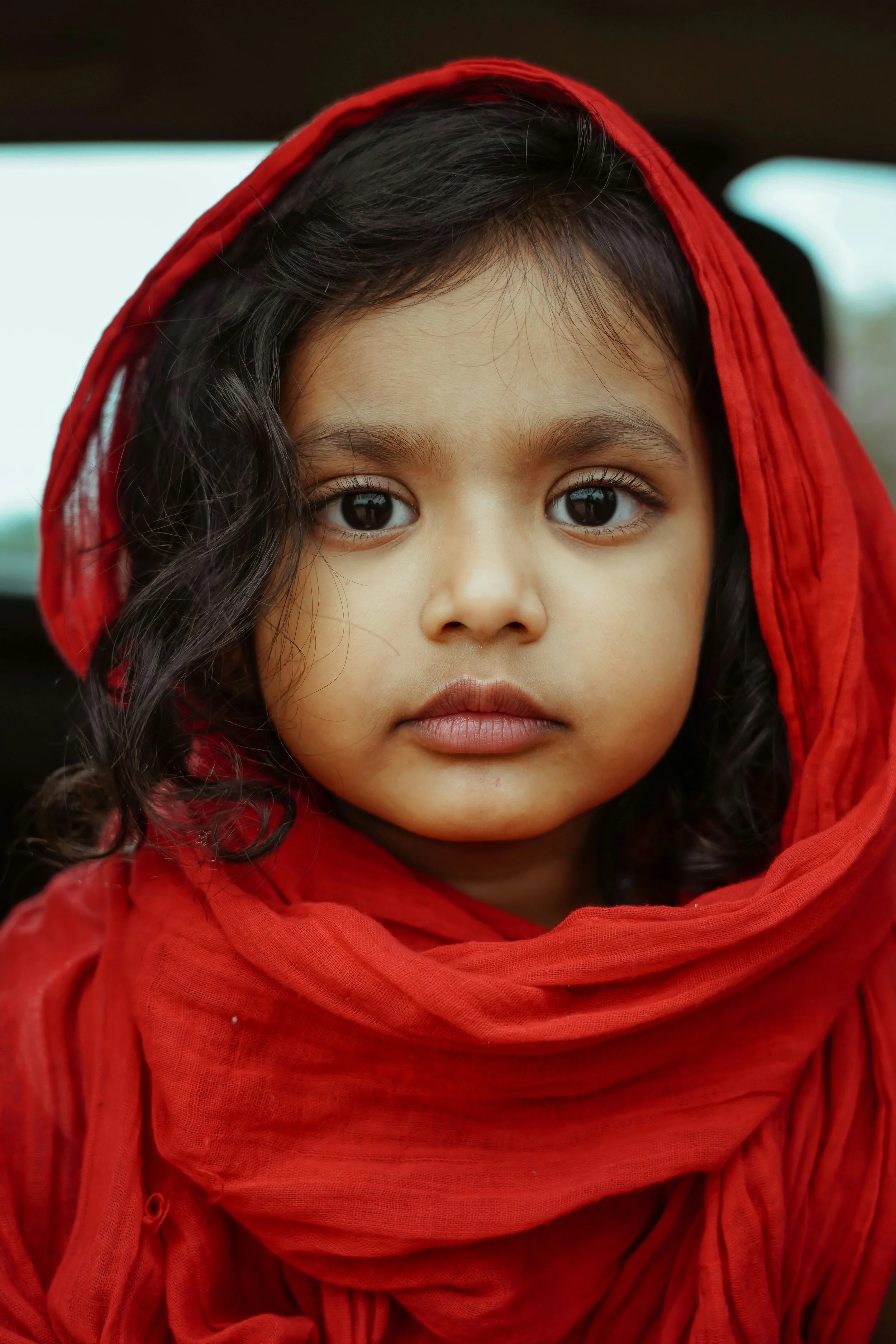
Every contribution, partnership, conversation, and act of support helps move us closer to a future where no girl is held back by lack of menstrual care, education, dignity, or opportunity.
The Garden of P. is more than a campaign.
It is a growing global movement rooted in compassion, sustainability, education, and human-centered impact designed to help girls flourish — in classrooms, communities, and throughout every stage of life.
Together, we can help create a future where menstrual dignity is not a privilege, but a shared global standard.
Because protecting girls helps protect the future of humanity itself.